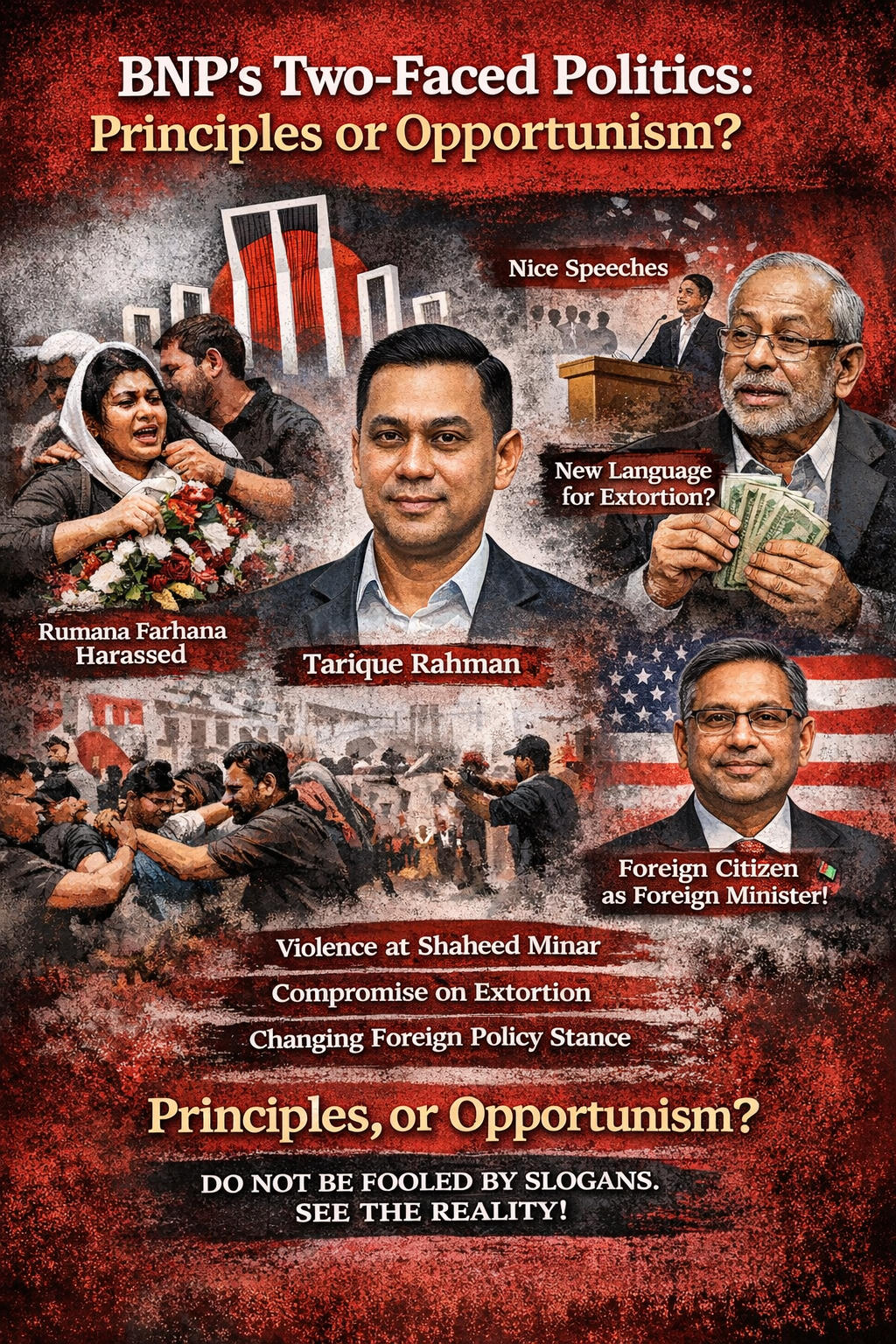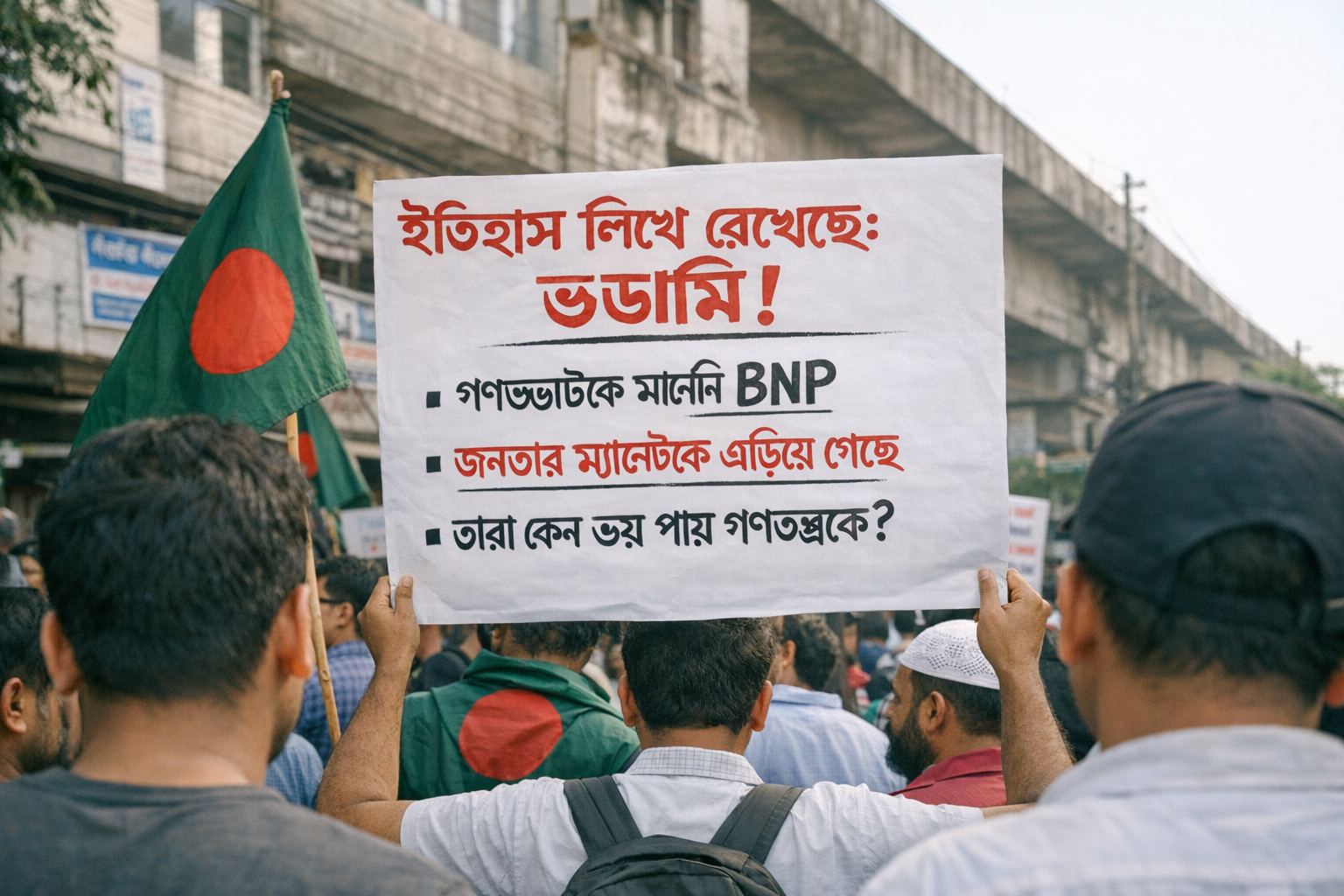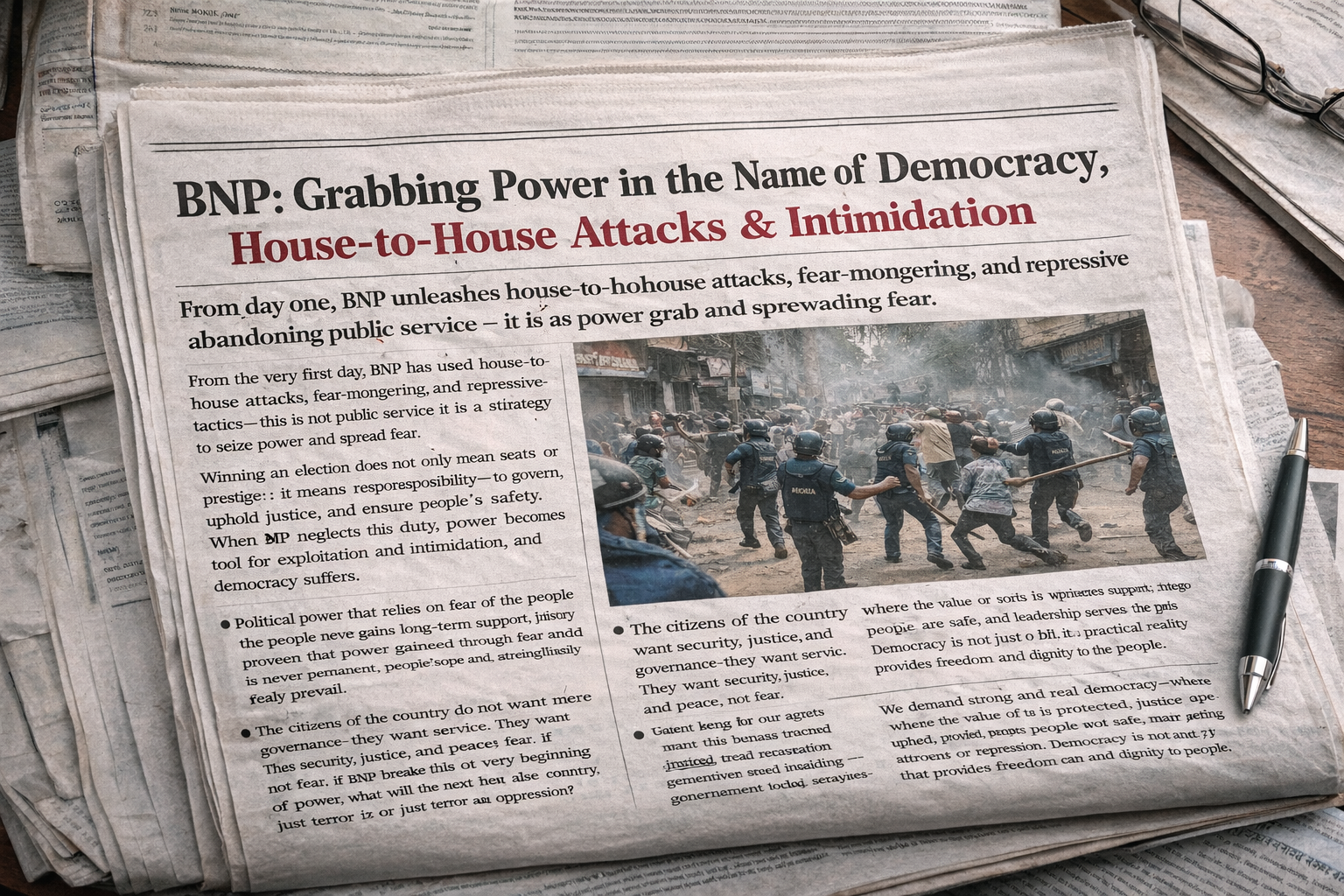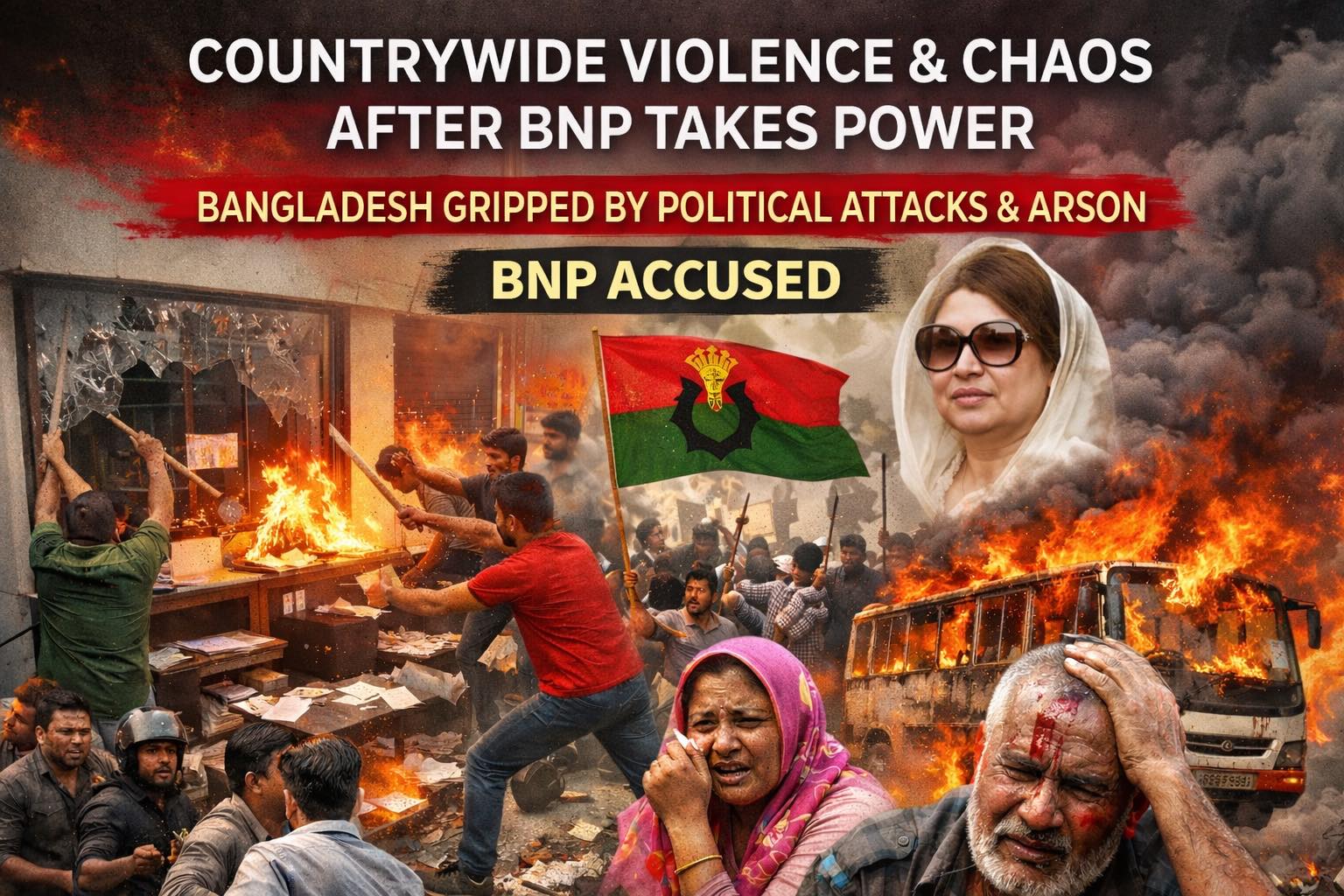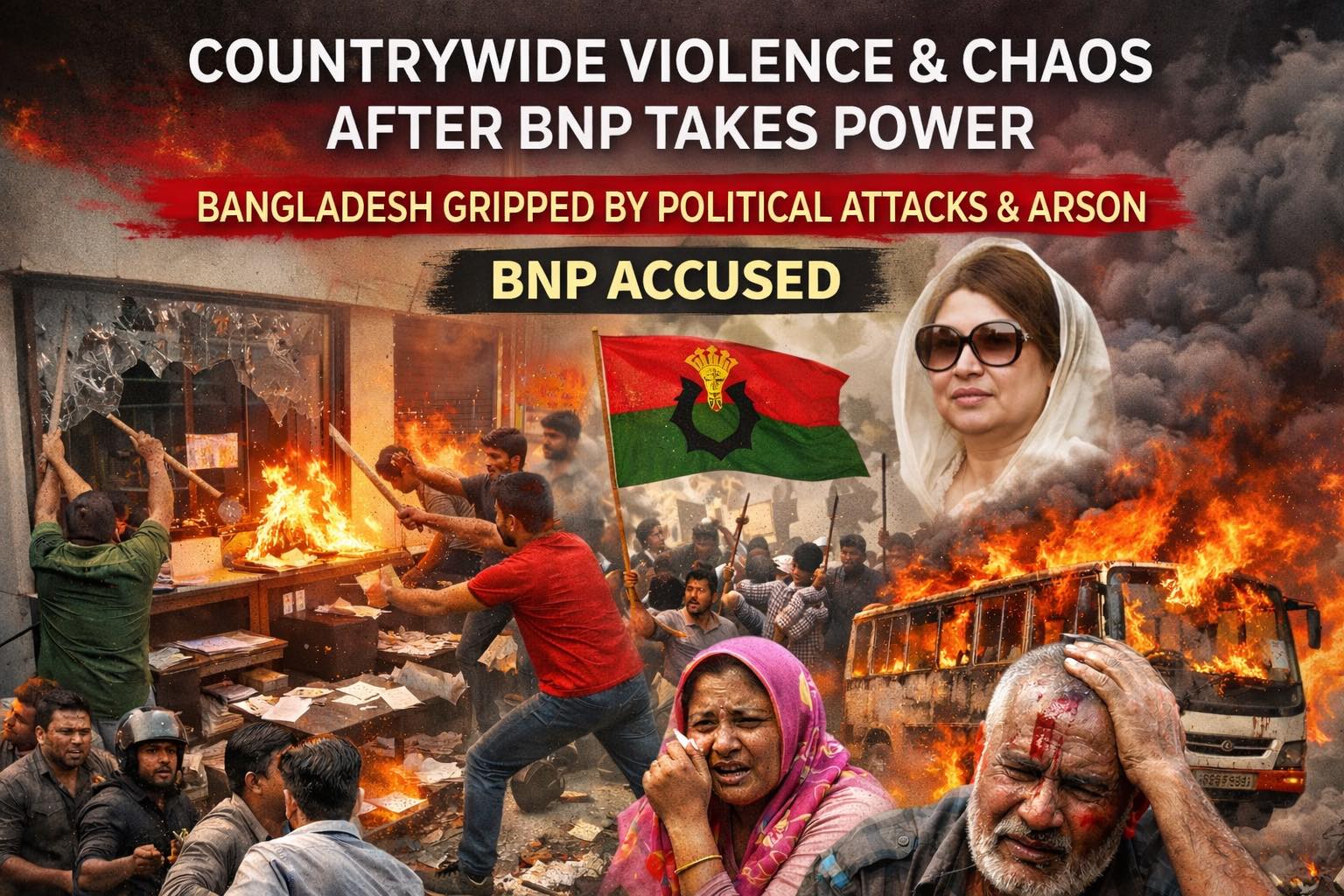
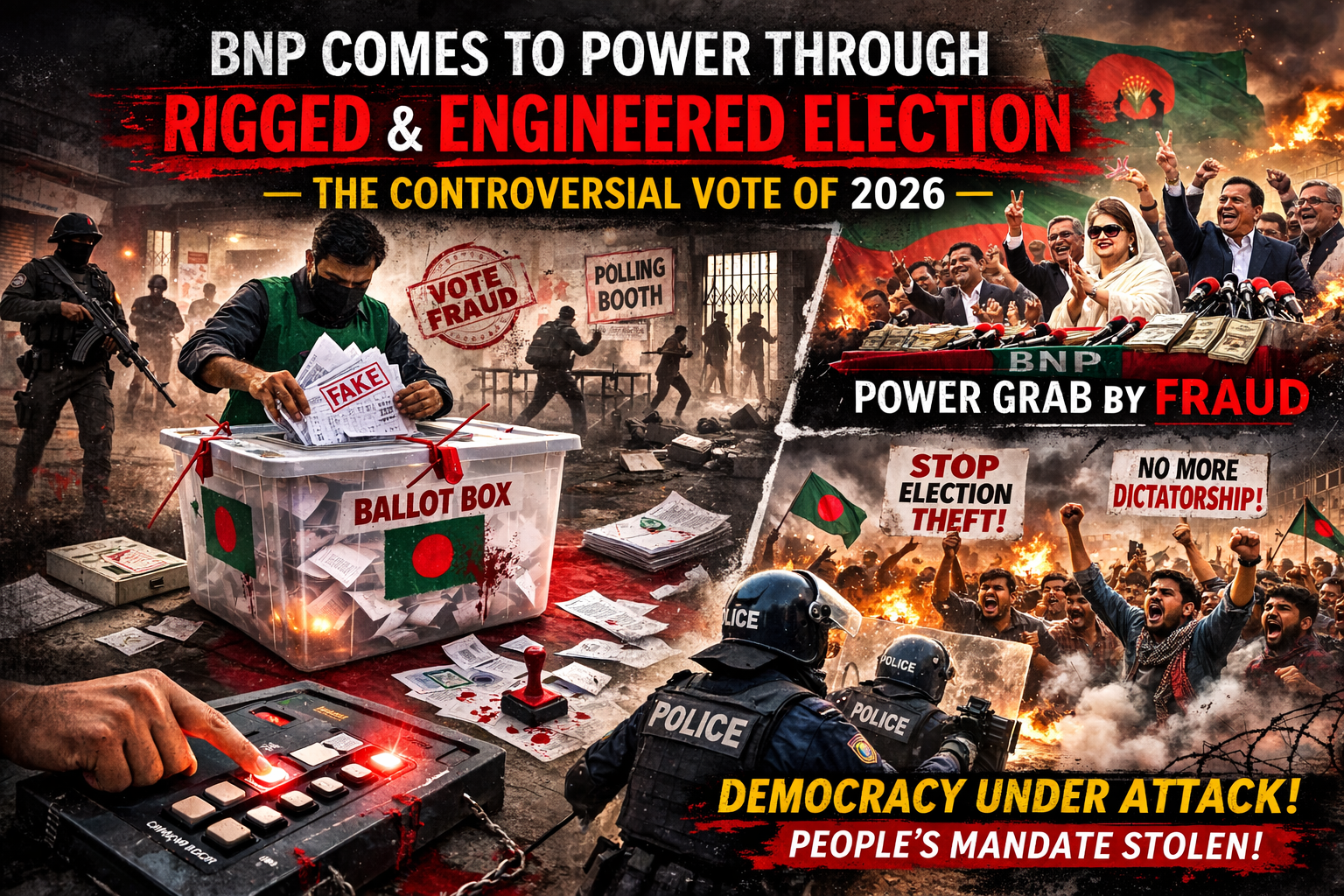
Report by: Apurbo Ahmed Jewel: On 12 February 2026, the BNP seized power in Bangladesh following the national elections. However, the election process was far from fully transparent or fair—marking a highly controversial chapter in the country’s democratic history. Political analysts and election observers have noted that the polls involved widespread fraud, electoral engineering, and administrative irregularities, which posed a direct threat to citizens’ fundamental voting rights.
During the elections, serious irregularities were observed in more than 20 districts regarding voting and counting. Discrepancies in voter lists, voter intimidation at polling stations, and technical errors caused the official results to diverge from reality. Some political observers have described this as a “planned strategy for seizing power.” In addition, the lack of transparency in many election commission procedures and the misconduct of government officials made the election even more questionable.
Immediately after the elections, it became apparent that there was no room for dialogue or compromise between the public and opposition parties. Following BNP’s takeover, concerns have arisen regarding citizens’ rights, freedom of expression, and administrative transparency. Analysts consider this election a clear example of weakening the country’s democratic framework.
The method by which BNP assumed power poses a major challenge to political stability in Bangladesh. Although the people expressed their desire for change through voting, procedural fraud and power engineering undermined their will. This was not merely an election—it demonstrated how far BNP is willing to go, using any means necessary, to acquire power.
In Bangladesh’s political history, this election will be remembered as a dark chapter. Citizens are questioning how far the interests of political parties can override the nation’s interests. To safeguard the country’s democratic framework, neither the public nor international observers can ignore such irregularities.