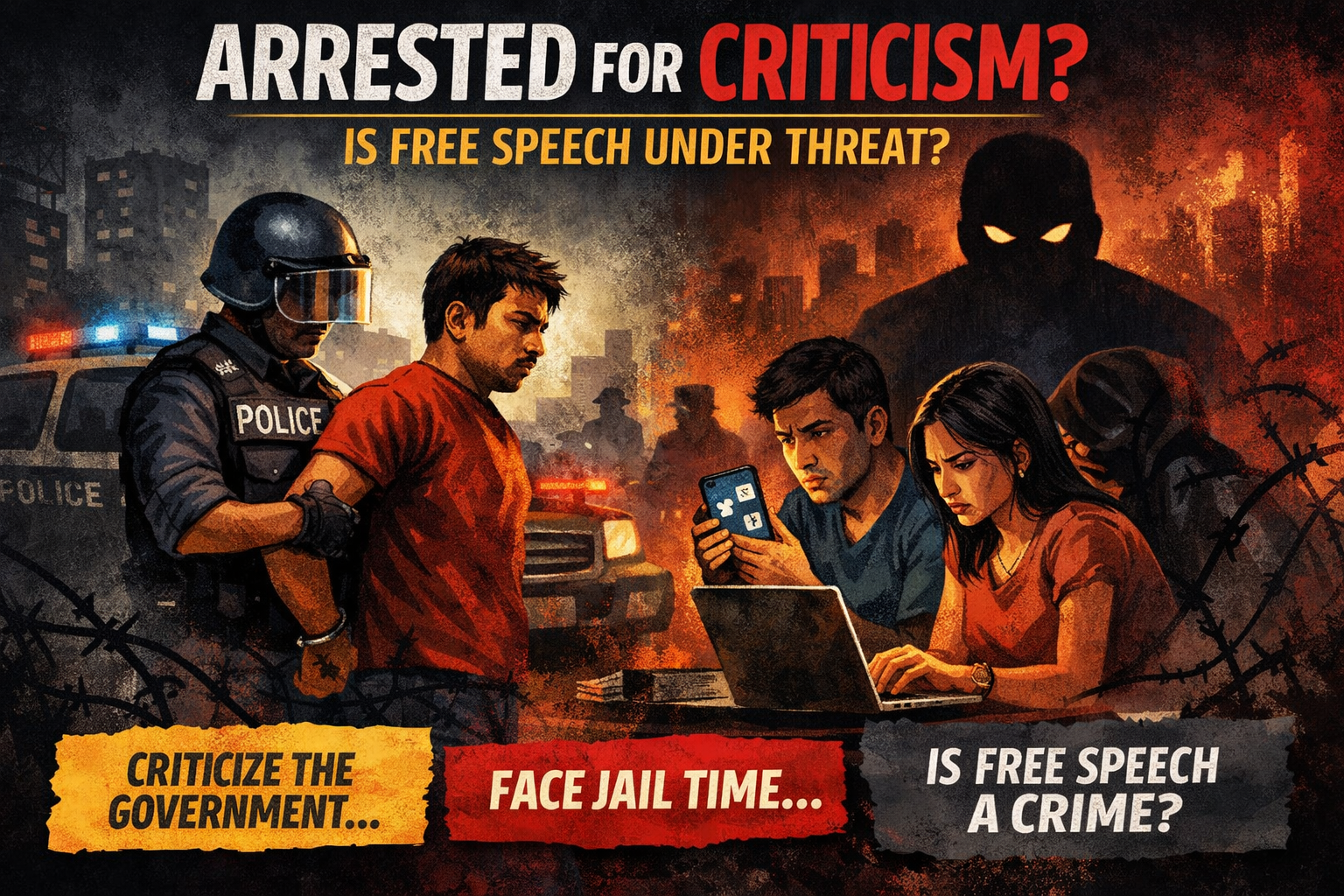
Apurbo Ahmed Jewel: In recent weeks, reports of at least five individuals being arrested within just 22 days over social media posts critical of the government have raised serious concerns about the state of freedom of expression. While the number itself may appear small, its political significance is far greater than it seems.
At the heart of the issue lies a fundamental question:
Is criticism of the government being treated as a criminal act?
In any democratic system, the legitimacy of those in power depends not only on elections but also on accountability. And accountability cannot exist without criticism. Citizens must be able to question, challenge, and scrutinize those who govern them. When that space begins to shrink, democracy itself starts to weaken.
Authorities often justify such arrests by citing legal provisions, arguing that actions are taken within the framework of the law. However, from a political analysis standpoint, the concern is not merely about legality—it is about how those laws are applied. If laws are enforced selectively, particularly against critics, they risk becoming tools of control rather than instruments of justice.
Another critical dimension is the emergence of a culture of fear. Even a handful of arrests can have a widespread psychological impact. People begin to hesitate before expressing opinions online. They start asking themselves:
“Will this post put me at risk?”
This kind of self-censorship is one of the most subtle yet dangerous threats to a free society.
Historically, governments that struggle to tolerate dissent often resort to limiting free expression. But such approaches rarely produce long-term stability. Instead, they tend to deepen public mistrust, widen political divides, and weaken institutional credibility.
It is also important to recognize that democracy is not defined solely by periodic elections. It is sustained by the everyday ability of citizens to speak freely, disagree openly, and hold power to account without fear.
Conclusion
Five arrests in 22 days may be just a statistic.
But politically, it sends a powerful message:
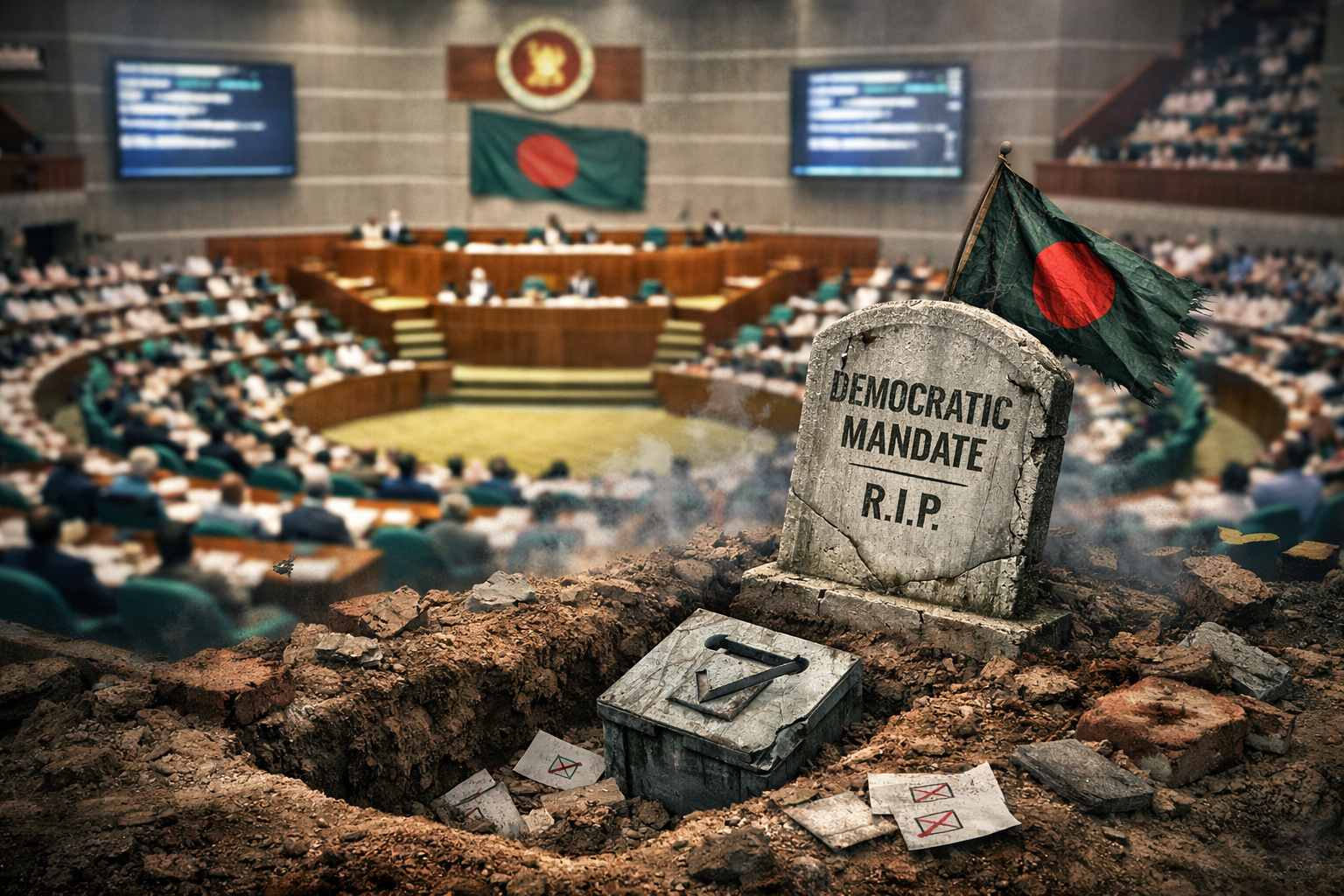
When criticism becomes risky, democracy becomes fragile.