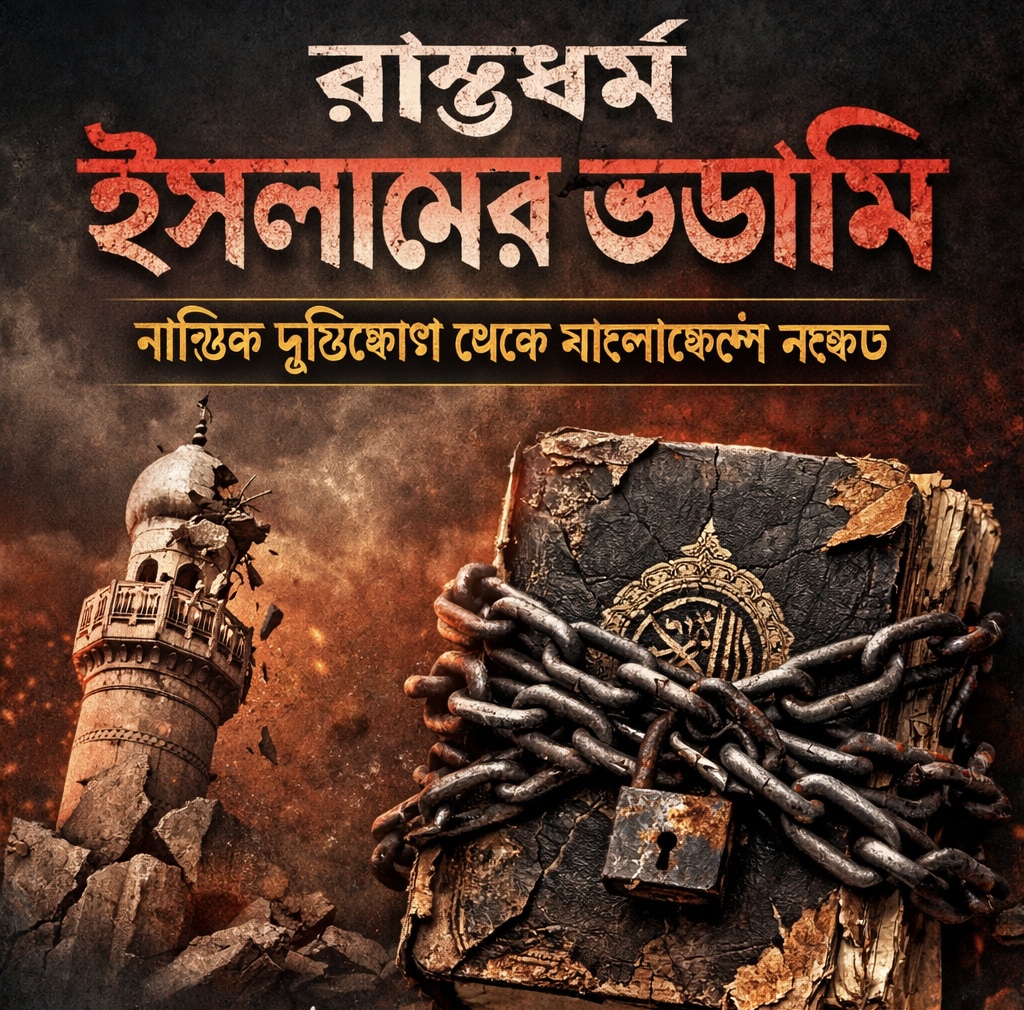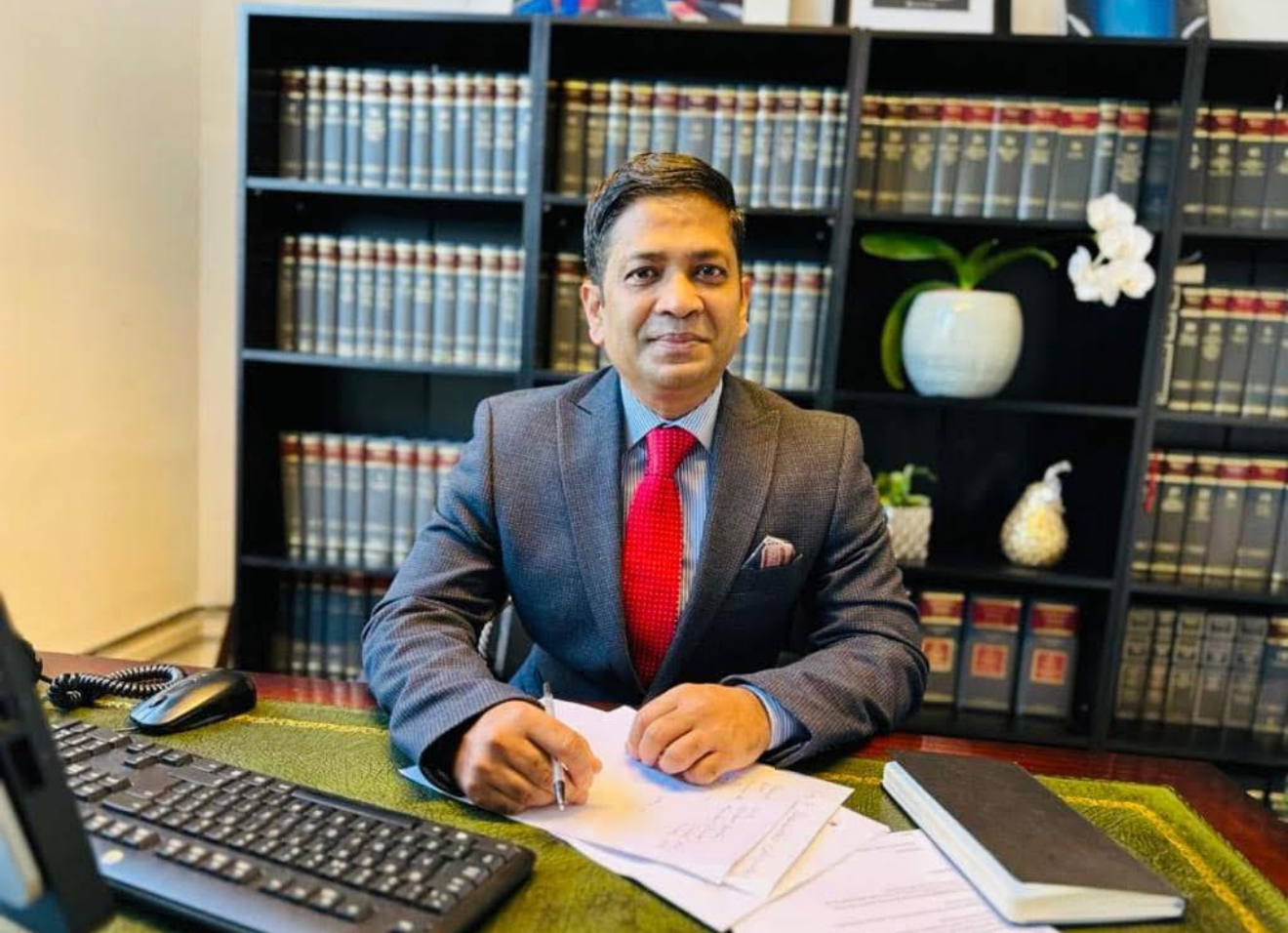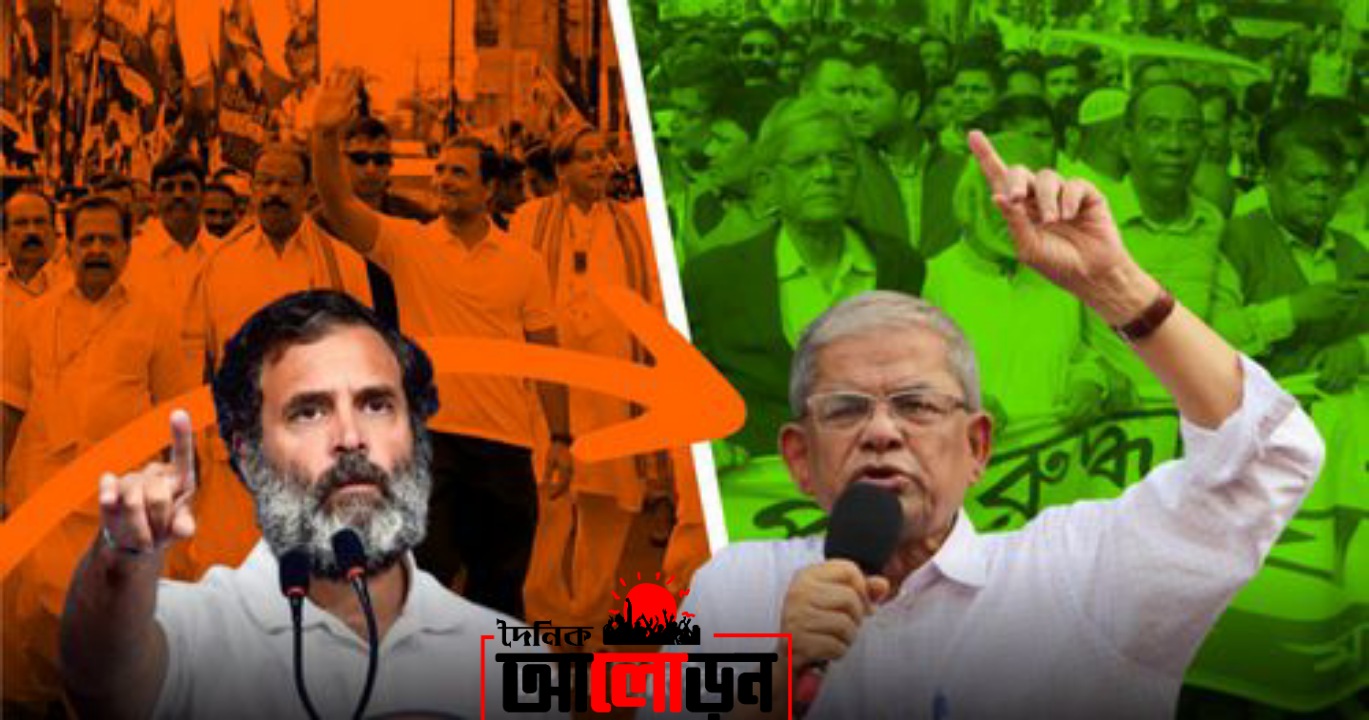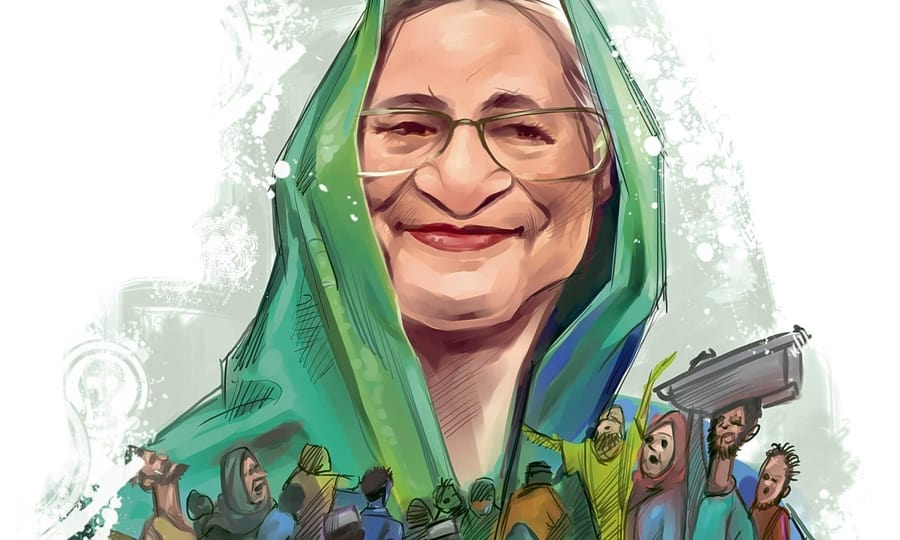
Apurbo Ahmed Jewel: Bangladesh is a country full of contradictions. On one hand, the Constitution declares secularism; on the other, Islam is recognized as the state religion. The use of religion in politics is overt—sometimes directly, sometimes indirectly. As a citizen, I see this reality as a profound dilemma: will the state stand on the basis of citizens’ beliefs, or on citizens’ rights and reason?
1. Religion — Belief or Political Tool?
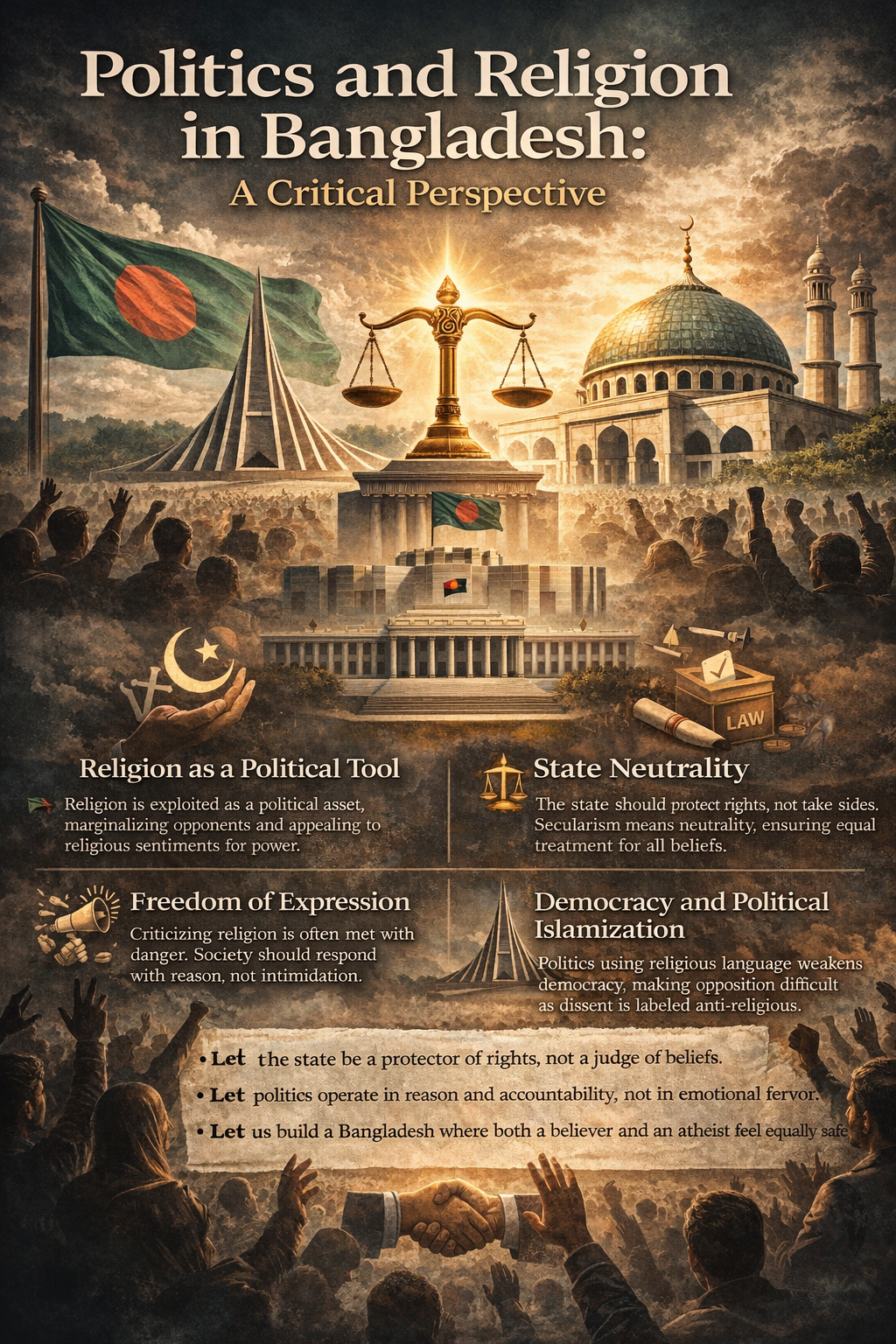
Religion is a matter of personal belief. Some will believe, others will not—this is a fundamental right. But in Bangladesh, religion is no longer just a spiritual matter; it has become political capital. Political parties exploit religious sentiment to gain votes, position themselves as morally superior, and label opponents as “anti-religious,” socially cornering them.
This raises a question—does religion here genuinely build morality, or is it a tool to maintain power?
2. Where is State Neutrality?
As a citizen, my first demand is that the state should not side with anyone’s belief or disbelief. The state’s role is to protect citizens, not their faith. If the state gives special recognition to one religion, other believers—or non-believers—are effectively reduced to second-class citizens.
Secularism does not mean godlessness; it means state neutrality. The state should not belong to a mosque, temple, or church, or to any belief—it should be a guardian of courts, hospitals, education, and justice.
3. Freedom of Expression and Religious Sensitivity
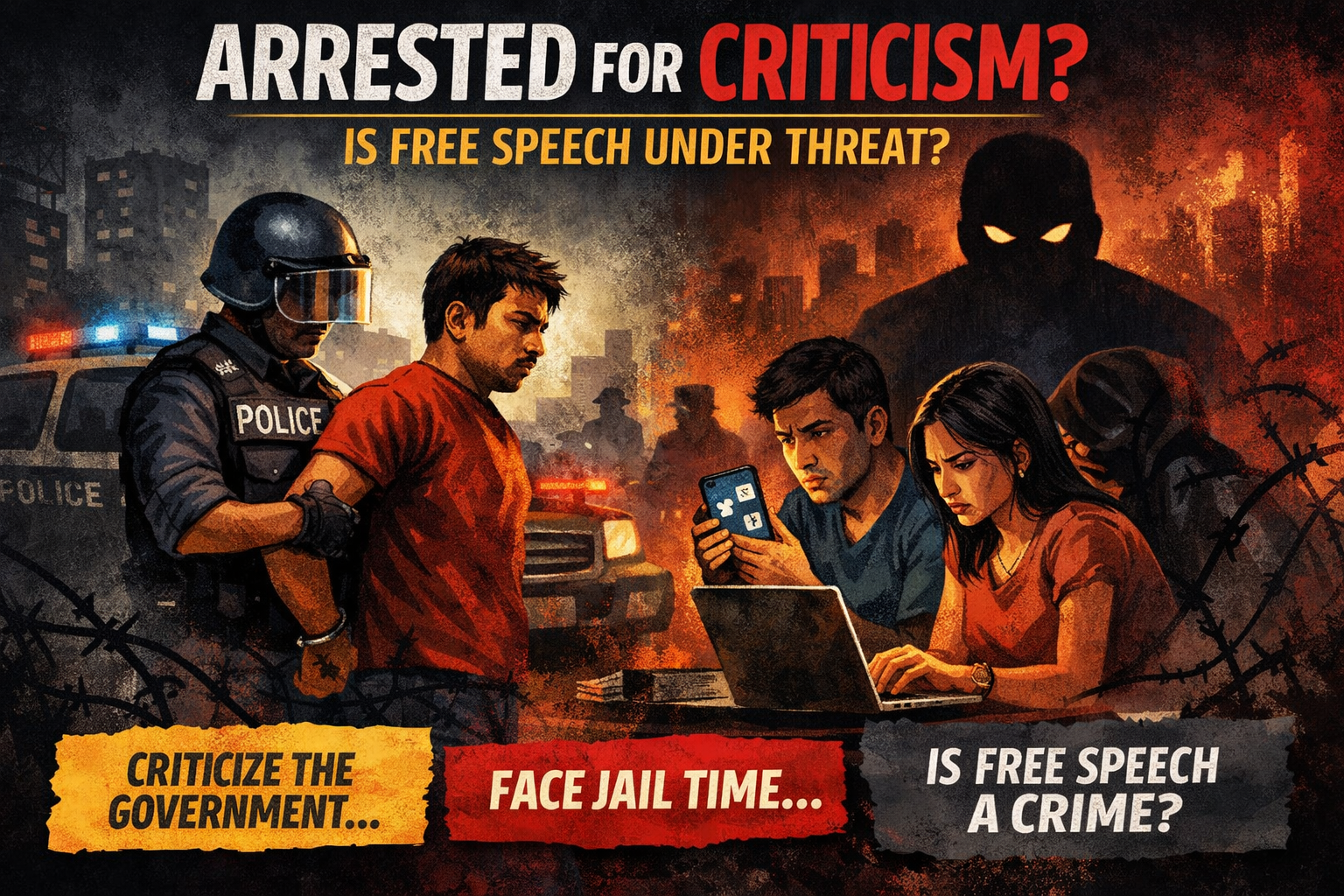
Criticism of religion in Bangladesh is often risky. Social attacks, legal cases, and even violent incidents occur. A delicate balance is needed—no one should deliberately spread hatred, but questioning or criticizing should not be criminalized.
I will ask questions, but why should those questions provoke violence? In a mature society, reasoned responses should answer reasoned questions, not threats of punishment.
4. Religious Morality vs. Civic Morality
It is often said in Bangladesh that morality cannot exist without religion. But morality arises from empathy, social contract, and a sense of humanity. I will not steal—not because God is watching, but because it harms others.
State laws should not be based on religious punishments, but on human rights and ethical reasoning.
5. Political Islamization vs. Democracy
When politics begins to speak in religious terms, dissent becomes difficult. Political disagreement is framed as religious disagreement, weakening democracy. Opposition viewpoints are branded as anti-religious—this mindset threatens democratic values.
I want politics to focus on policy, economy, education, health, and employment—not on who is more pious. Competence, not religiosity, should determine leadership.
6. Personal Belief Should Stay Personal
I do not wish to take anyone’s religious belief away. Someone may pray, perform rituals, or follow their faith—that is their right. Likewise, if I do not believe, I must be granted equal respect. The state should not see me as a “lesser citizen.”
If religion is true, it will withstand the test of reason and morality. If it cannot, it should not be propped up by state power.
Conclusion
The future of Bangladesh depends on the path we choose—whether to use religion as a political shield, or to keep belief personal and ensure state neutrality.
I am a citizen of this country. My demand is simple: