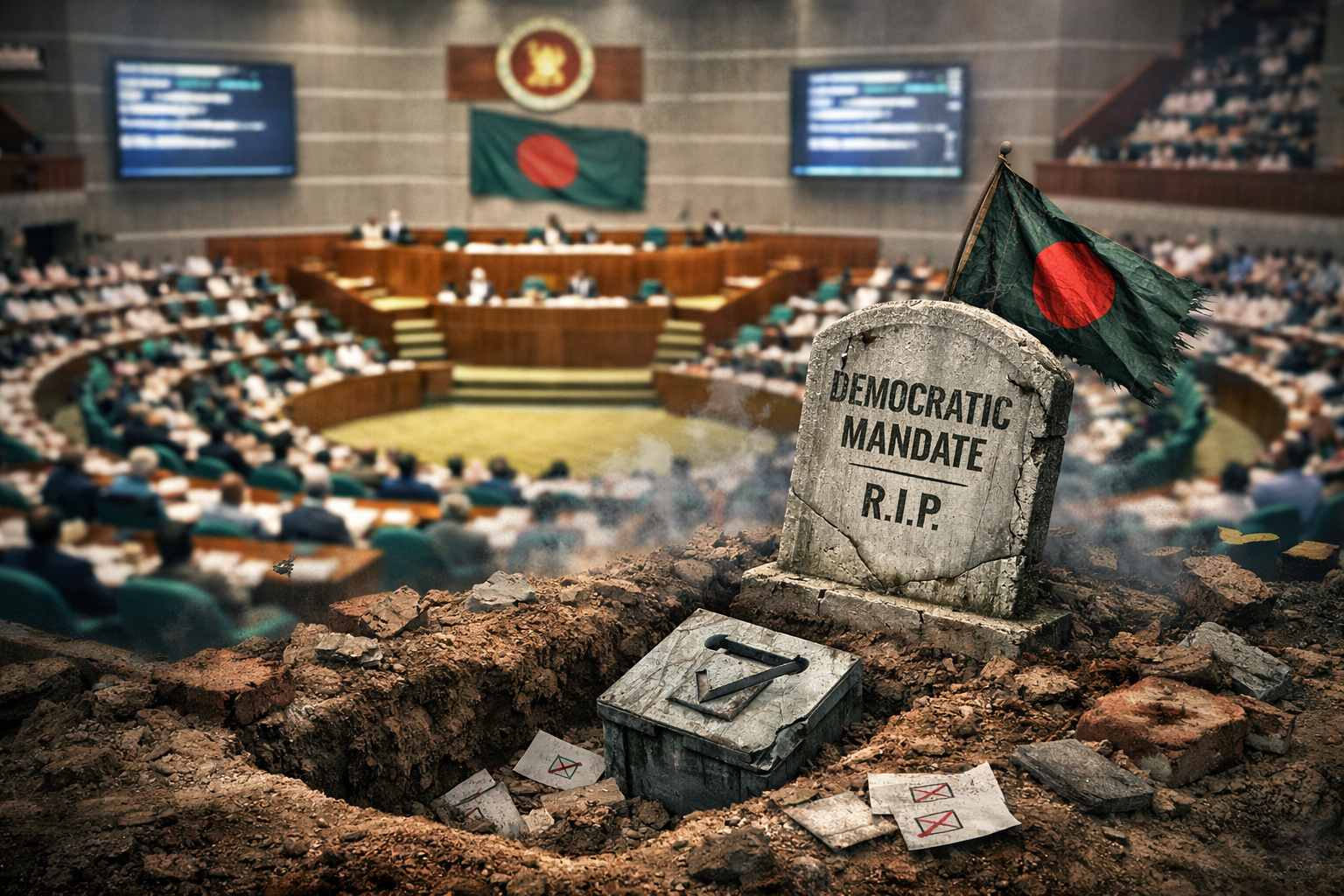
Apurbo Ahmed Jewel: In Bangladesh’s recent political landscape, the 2026 constitutional referendum has emerged as a significant turning point. Known as the “July National Charter,” this initiative sought to capture the direct voice of the people on issues related to state structure, balance of power, and accountability. According to official figures, the referendum witnessed notable participation—around 60% voter turnout, with approximately 68% voting in favour of the proposed reforms.
This outcome clearly sends a strong message: a large segment of the population desires structural reform. People are calling for a more accountable, balanced, and modern political framework. In any democratic system, such a direct mandate carries immense weight, as it reflects not the opinion of representatives, but the will of the people themselves.
Yet the crucial question remains—is this mandate truly being respected?
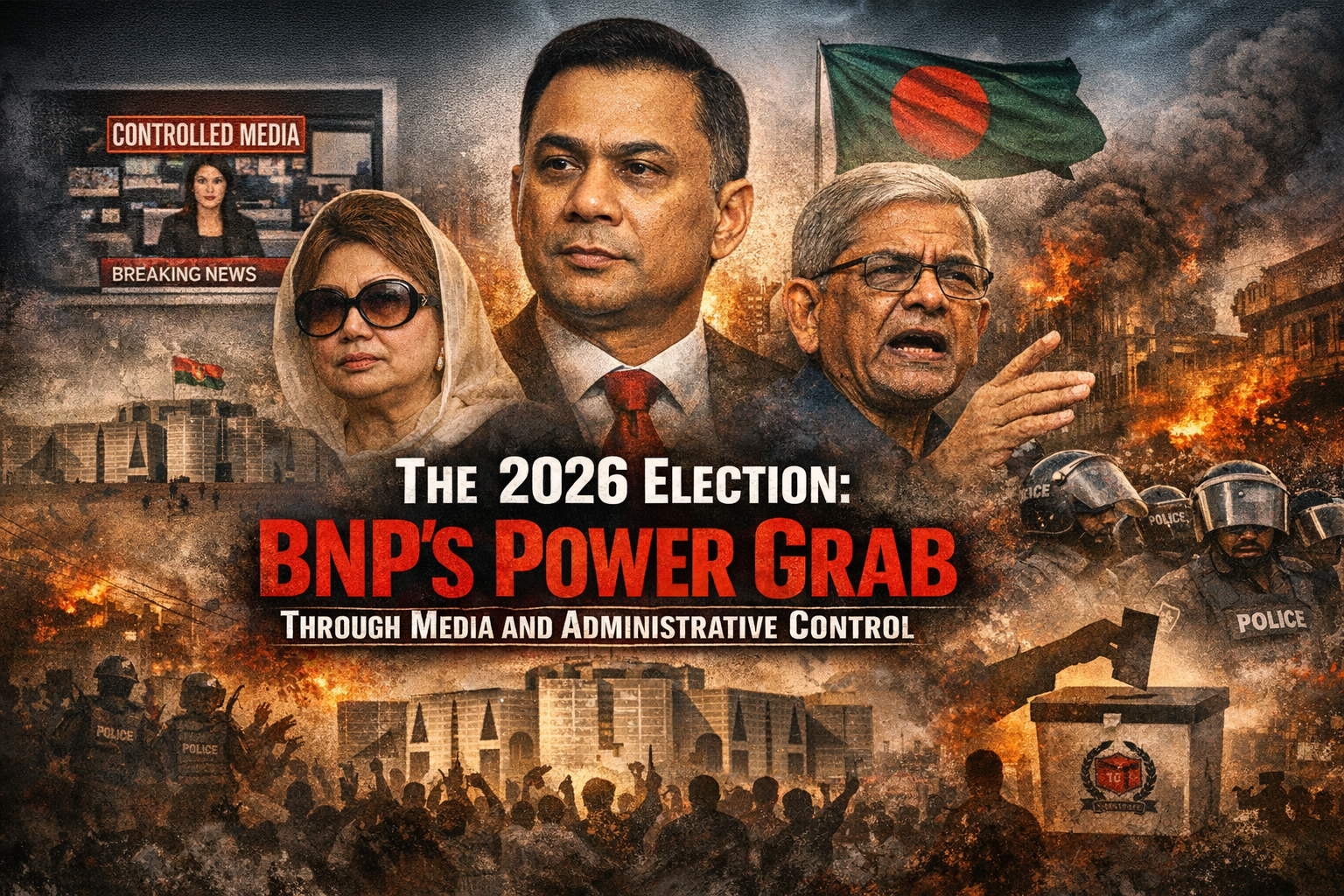
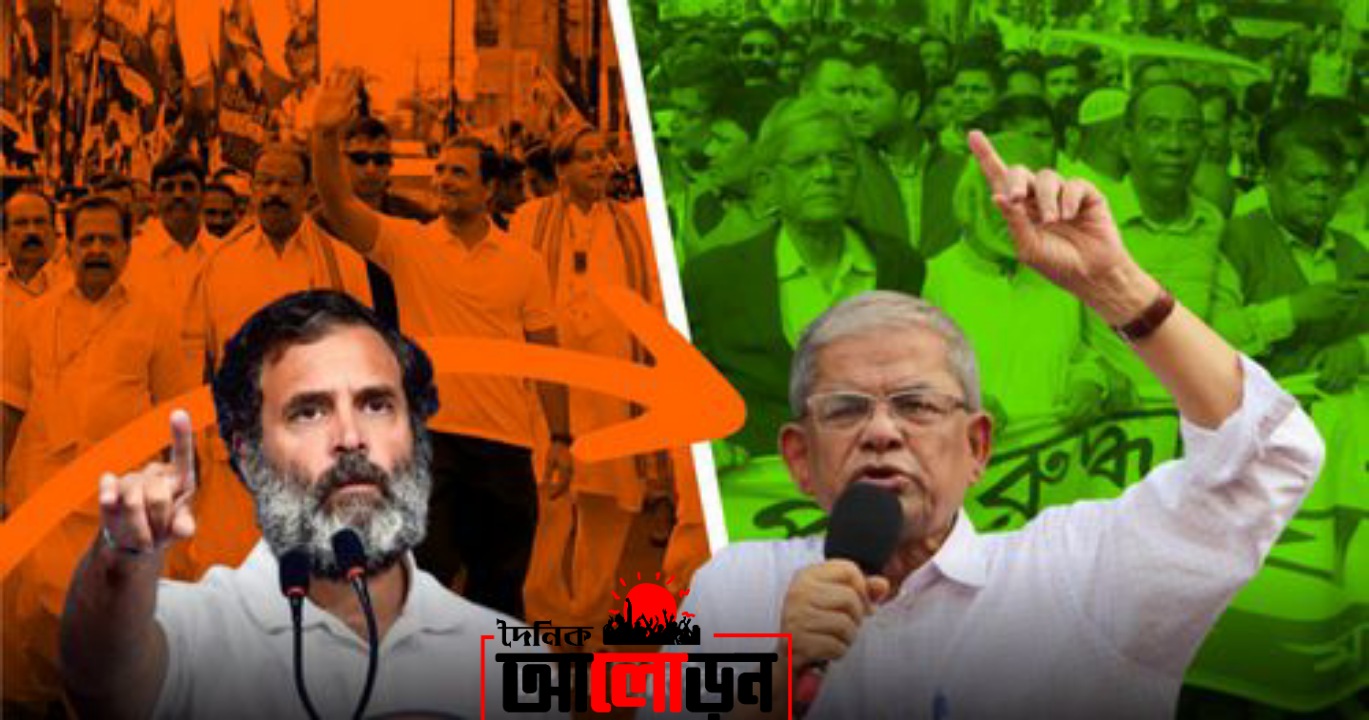
Following the referendum, when the matter moved into parliament for implementation, the process quickly became entangled in political debate. In particular, questions have been raised about the position of the BNP. While the party has consistently spoken about democracy, elections, and the rights of citizens, its stance regarding key elements of the referendum has appeared hesitant and, at times, oppositional.
Historically, the BNP has often adopted a sceptical position toward political processes. Election boycotts, rejection of results, and expressions of distrust in electoral systems have been recurring features of its political strategy. This pattern now appears to extend into its approach to the referendum as well.
Even prior to the referendum, the BNP expressed reservations about the process. The party argued that certain proposed changes were not realistic and could be politically biased. In particular, it openly opposed specific provisions, such as elements related to proportional representation. As a result, even after the publication of the referendum results, its position has not been fully aligned with unconditional acceptance.
At the heart of democracy lies a simple principle: the people decide, and the state implements. A referendum represents the most direct expression of this principle. It is not merely a political opinion—it is the collective voice of a nation. Therefore, when a major political party fails to fully embrace such a result, or introduces conditions and delays in its implementation, it raises serious concerns about democratic commitment.
Parliament, in this context, holds a critical responsibility. It is the institution meant to represent the will of the people. The implementation of a referendum outcome ultimately depends on parliamentary action. However, when parliament itself becomes a space where political calculations override public decisions, the very essence of representation is called into question.
Critics of the BNP argue that the party often engages with democratic processes selectively. When outcomes favour its position, they are accepted as the “people’s mandate.” When they do not, they are challenged or questioned. This dual approach, over time, risks undermining public trust in democratic institutions.
From the BNP’s perspective, however, opposing certain proposals can be framed as part of democratic debate. The party maintains that even after a referendum, parliamentary scrutiny and discussion are both legitimate and necessary. But this raises a deeper question: where does legitimate debate end, and where does obstruction begin?
This distinction is crucial.
Bangladesh’s political history has repeatedly shown that institutional democratic processes often become overshadowed by partisan interests. Elections, parliament, and even judicial structures have, at times, struggled to remain insulated from political influence. In such a context, the referendum presented a rare opportunity—one where the people themselves directly expressed their will.
If that will fails to translate into meaningful action, it risks creating widespread disillusionment. Citizens may begin to feel that their participation is merely symbolic—that their voices, even when clearly expressed, carry little real consequence.
Perhaps the most alarming consequence of this trend is the gradual erosion of public trust. Democracy is not sustained by procedures alone; it depends on belief. It relies on the confidence that people place in the system—that their votes matter, that their voices are heard, and that their decisions shape the future of the state.
If a referendum result becomes trapped within political bargaining,
if the direct will of the people faces continuous delay,
then we must confront an uncomfortable truth:
the people’s mandate is slowly being buried inside parliament.